3 Key Trends Shaping the Artificial Plant Industry in 2026
author: Cherry
2026-07-23
The artificial plant industry is evolving faster than ever. Here are three trends that every buyer—and every supplier—should know about in 2026.
1. Large Sculptural Greenery as Focal Points
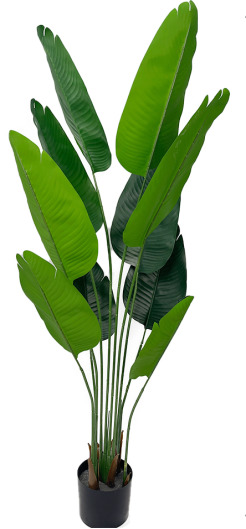
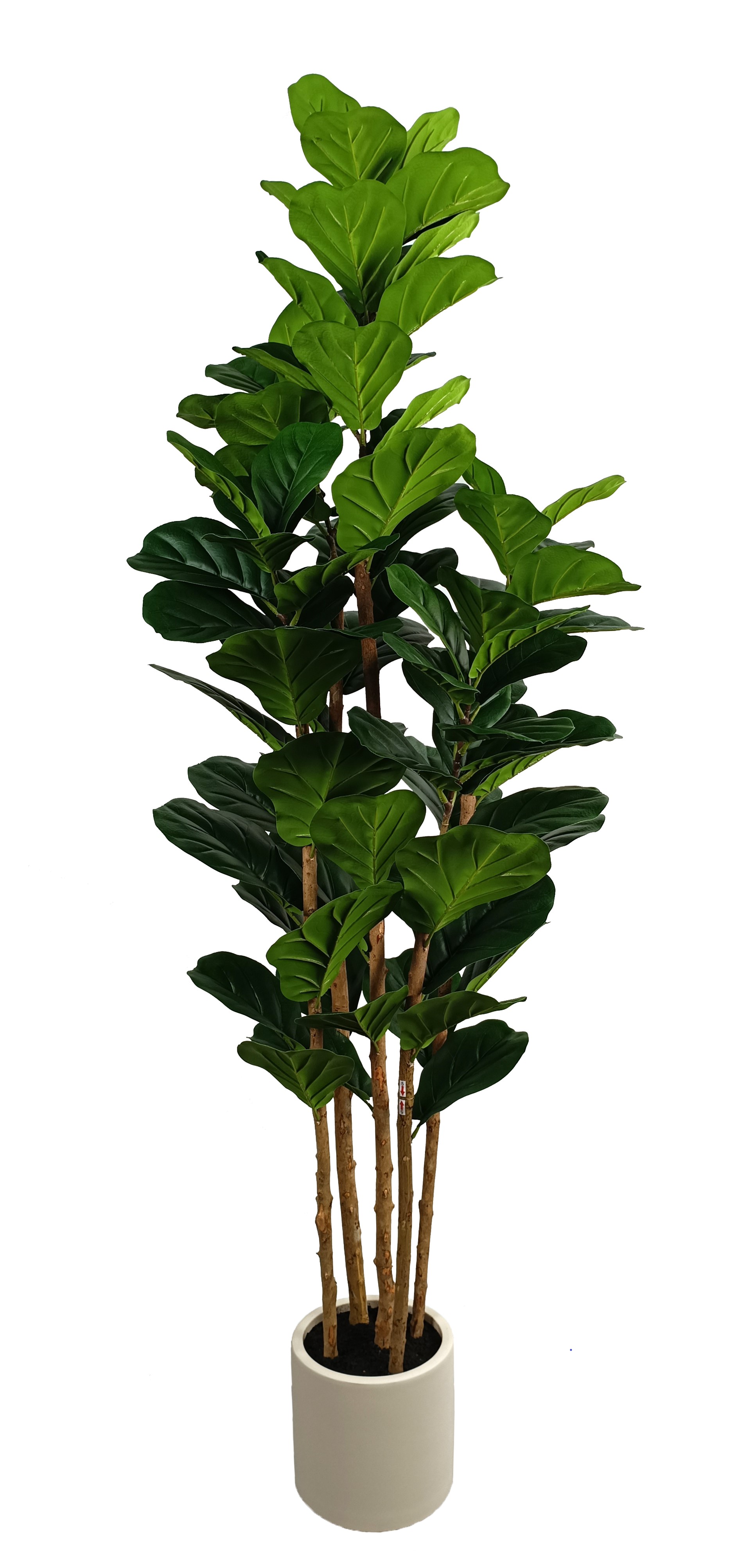
Gone are the days when artificial plants were just small decorative accents. In 2026, tall artificial trees—ficus, olive trees, palms—are being used as central design elements that define entire rooms-37. Designers are placing them near sofas, beside windows, or at the edge of open layouts to add height and presence without clutter-37. For commercial buyers, this means one thing: demand for large, statement pieces is growing.
2. The Rise of "Real-Touch" Artificial Plants
One of the most significant developments in recent years is real-touch technology-38. Today's artificial plants feature natural color gradients, detailed leaf textures, and organic growth patterns that allow them to blend seamlessly into both minimalist and highly styled interiors-38. Buyers are no longer choosing between "looks real" and "durable"—they're getting both.
3. Biophilic Design Goes Mainstream
Biophilic design—bringing elements of nature into buildings through greenery, daylight, and organic materials—has become a key foundation in commercial architecture-21-. Offices, hotels, retail spaces, and even healthcare facilities are integrating greenery to reduce stress and promote well-being-21. And because real plants struggle in high-traffic, low-light commercial environments, artificial greenery has become the practical, cost-effective solution-38.
What This Means for You
If you're sourcing artificial plants for hotels, offices, retail spaces, or residential projects, 2026 is the year to think bigger, think more realistic, and think about how greenery can enhance the experience of a space.
At our wangyang artificial plants manufaturing, we stay ahead of these trends so our clients don't have to. From real-touch finishes to custom-sized statement trees, we're ready to bring your next project to life.
Have a project in mind? Let's talk. DM or email us—we'd love to hear what you're working on.
1. Large Sculptural Greenery as Focal Points
Gone are the days when artificial plants were just small decorative accents. In 2026, tall artificial trees—ficus, olive trees, palms—are being used as central design elements that define entire rooms-37. Designers are placing them near sofas, beside windows, or at the edge of open layouts to add height and presence without clutter-37. For commercial buyers, this means one thing: demand for large, statement pieces is growing.
2. The Rise of "Real-Touch" Artificial Plants
One of the most significant developments in recent years is real-touch technology-38. Today's artificial plants feature natural color gradients, detailed leaf textures, and organic growth patterns that allow them to blend seamlessly into both minimalist and highly styled interiors-38. Buyers are no longer choosing between "looks real" and "durable"—they're getting both.
3. Biophilic Design Goes Mainstream
Biophilic design—bringing elements of nature into buildings through greenery, daylight, and organic materials—has become a key foundation in commercial architecture-21-. Offices, hotels, retail spaces, and even healthcare facilities are integrating greenery to reduce stress and promote well-being-21. And because real plants struggle in high-traffic, low-light commercial environments, artificial greenery has become the practical, cost-effective solution-38.
What This Means for You
If you're sourcing artificial plants for hotels, offices, retail spaces, or residential projects, 2026 is the year to think bigger, think more realistic, and think about how greenery can enhance the experience of a space.
At our wangyang artificial plants manufaturing, we stay ahead of these trends so our clients don't have to. From real-touch finishes to custom-sized statement trees, we're ready to bring your next project to life.
Have a project in mind? Let's talk. DM or email us—we'd love to hear what you're working on.
5 Common Mistakes to Avoid When Buying Artificial Plants in Bulk
Styling Artificial Plants with Furniture
Related Article
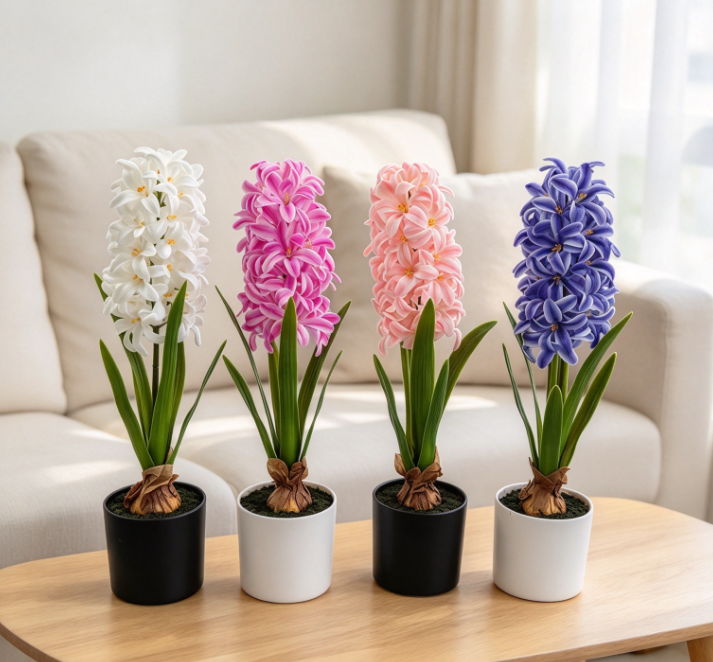
Artificial Hyacinth Potted Plant Multi-color Faux Flowers Indoor Tabletop Home Decor
Artificial Hyacinth Potted Plant: Colorful Tabletop Floral Decor for Indoor Home
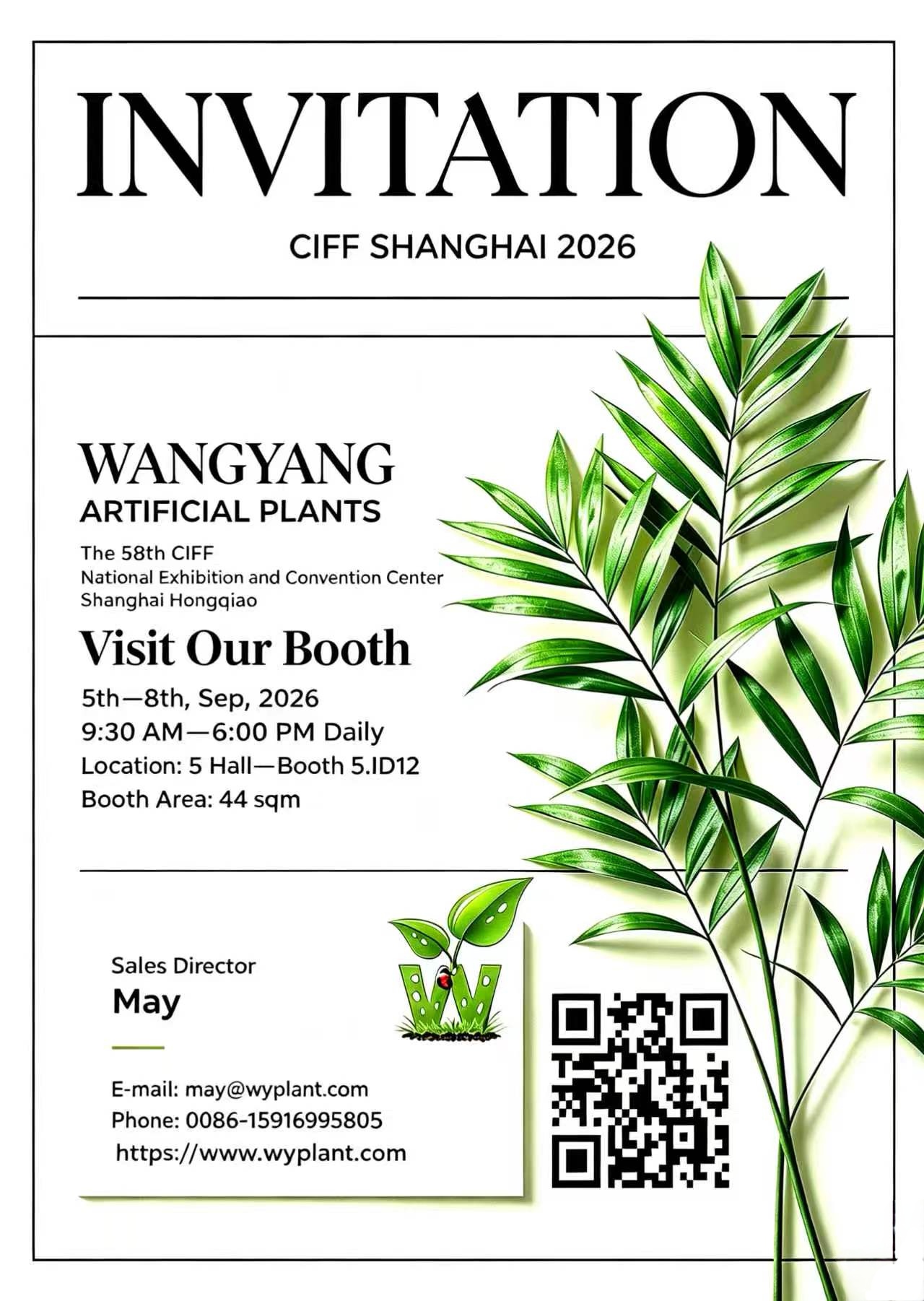
You Are Invited ! Meet Us At The 58th China International Furniture Fair at booth 5.1D12 on 5th-8th,Sep
Exhibition News | We Are Waiting for You at the 58th CIFF Shanghai
Hope our this mail finds you well.
Time Flies,We are coming to Shanghai for the 58th CIFF Show!Welcome to visit our booth Booth No. 5.1D12.
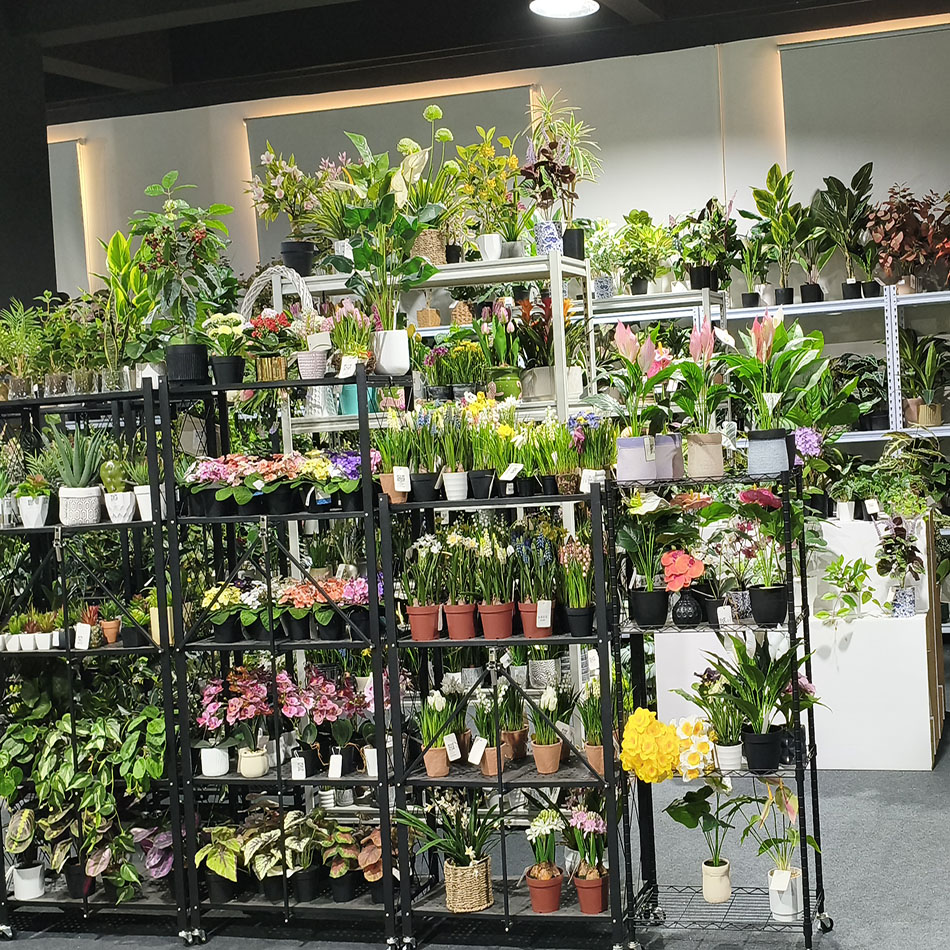
Looking forward to meeting you again,face‑to‑face, showing our new artificial plants collections.
Feel free to stop by, we are ready for your discussion:+8615814261486(Wechat/WhatsApp)
Details please check our attached Invitation,thanks in advance for your coming!
Time Flies,We are coming to Shanghai for the 58th CIFF Show!Welcome to visit our booth Booth No. 5.1D12.
Looking forward to meeting you again,face‑to‑face, showing our new artificial plants collections.
Feel free to stop by, we are ready for your discussion:+8615814261486(Wechat/WhatsApp)
Details please check our attached Invitation,thanks in advance for your coming!
You are invited for the 58th CIFF ShangHai, Booth no 5.1D12