Real Plants vs. Fake Plants: Pros, Cons, and How to Choose the Right Greenery for Your Space
author: Cherry Tan
2026-05-25
🌱 Real Plants – The Living Touch
✅ Advantages
Air purification – Many real plants (like snake plants, peace lilies, and pothos) can filter indoor air by absorbing toxins and releasing oxygen.
✅ Advantages
Air purification – Many real plants (like snake plants, peace lilies, and pothos) can filter indoor air by absorbing toxins and releasing oxygen.
Natural beauty – No two leaves are exactly alike. Real plants grow, change, and bring an organic feel that artificial ones can’t fully replicate.
Wellness benefits – Studies show that caring for plants reduces stress, boosts mood, and increases productivity.
Humidity regulation – Plants release moisture into the air, which can help in dry environments.
❌ Disadvantages
Require regular care – Watering, pruning, repotting, and cleaning leaves take time and attention.
Require regular care – Watering, pruning, repotting, and cleaning leaves take time and attention.
Light and temperature needs – Some plants won’t survive in dark rooms or drafty corners.
Pests and diseases – Fungus gnats, spider mites, and root rot can become problems.
Can die – If you forget to water or overwater, your plant may not make it.
🌿 Fake Plants – The Maintenance‑Free Alternative
✅ Advantages
Zero maintenance – No watering, no soil, no pruning. Just dust occasionally.
✅ Advantages
Zero maintenance – No watering, no soil, no pruning. Just dust occasionally.
Always perfect – They stay green and fresh‑looking year‑round, regardless of season or light.
Works anywhere – Put them in dark bathrooms, windowless offices, or high shelves – they won’t complain.
Pet‑friendly (usually) – Unlike some real plants that are toxic to cats or dogs, high‑quality fakes pose no risk (as long as pets don’t chew and swallow pieces).
❌ Disadvantages
No air‑cleaning or wellness benefits – They don’t produce oxygen or improve humidity.
No air‑cleaning or wellness benefits – They don’t produce oxygen or improve humidity.
Can look cheap – Low‑quality fake plants have obvious plastic sheen, unnatural shapes, or dusty buildup that’s hard to clean.
Collect dust – Over time, silk or plastic leaves can trap dust, which may trigger allergies if not cleaned.
No sense of growth – You don’t get the satisfaction of watching a new leaf unfurl.
🤔 How to Choose – A Simple Guide
Ask yourself these questions:
Ask yourself these questions:
If you… Then choose…
Have a bright window or consistent light Real plants ✅
Travel often or forget to water High‑quality faux plants ✅
Want to improve indoor air quality Real plants ✅
Need greenery for a dark hallway or basement Faux plants ✅
Enjoy caring for living things Real plants ✅
Just want a no‑fuss decorative accent Faux plants ✅
Have pets that chew everything Faux plants (but avoid small detachable parts) ✅
Have a bright window or consistent light Real plants ✅
Travel often or forget to water High‑quality faux plants ✅
Want to improve indoor air quality Real plants ✅
Need greenery for a dark hallway or basement Faux plants ✅
Enjoy caring for living things Real plants ✅
Just want a no‑fuss decorative accent Faux plants ✅
Have pets that chew everything Faux plants (but avoid small detachable parts) ✅
💡 Pro tip: You don’t have to pick only one. Many designers mix real and faux plants – use real ones in well‑lit areas and high‑quality fakes in dark corners or hard‑to‑reach spots.
🏷️ What to Look for When Buying
For real plants:
Check light and water requirements before buying.
For real plants:
Check light and water requirements before buying.
Start with hardy varieties: snake plant, ZZ plant, pothos, spider plant.
For faux plants:
Look for “real touch” or “PEVA” materials – they look and feel more natural.
Look for “real touch” or “PEVA” materials – they look and feel more natural.
Avoid shiny plastic leaves; matte finishes are better.
Read reviews – some cheap fakes look great online but arrive obviously fake.
🌟 Final Verdict
Both real and fake plants have a place in modern homes.
Both real and fake plants have a place in modern homes.
Go real if you want health benefits, enjoy gardening, and have suitable light.
Go faux if you need effortless decoration in challenging spaces.
Go mixed for the best of both worlds.
No matter which you choose, adding green – real or artificial – will make your space feel warmer and more inviting.
Artificial Plants
How to Clean Artificial Plants
Related Article
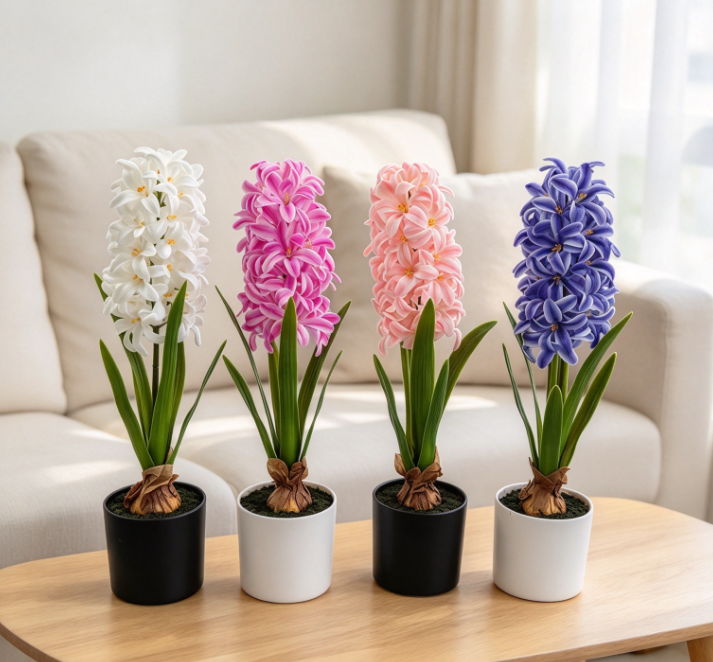
Artificial Hyacinth Potted Plant Multi-color Faux Flowers Indoor Tabletop Home Decor
Artificial Hyacinth Potted Plant: Colorful Tabletop Floral Decor for Indoor Home

You Are Invited ! Meet Us At The 58th China International Furniture Fair at booth 5.1D12 on 5th-8th,Sep
Exhibition News | We Are Waiting for You at the 58th CIFF Shanghai
Hope our this mail finds you well.
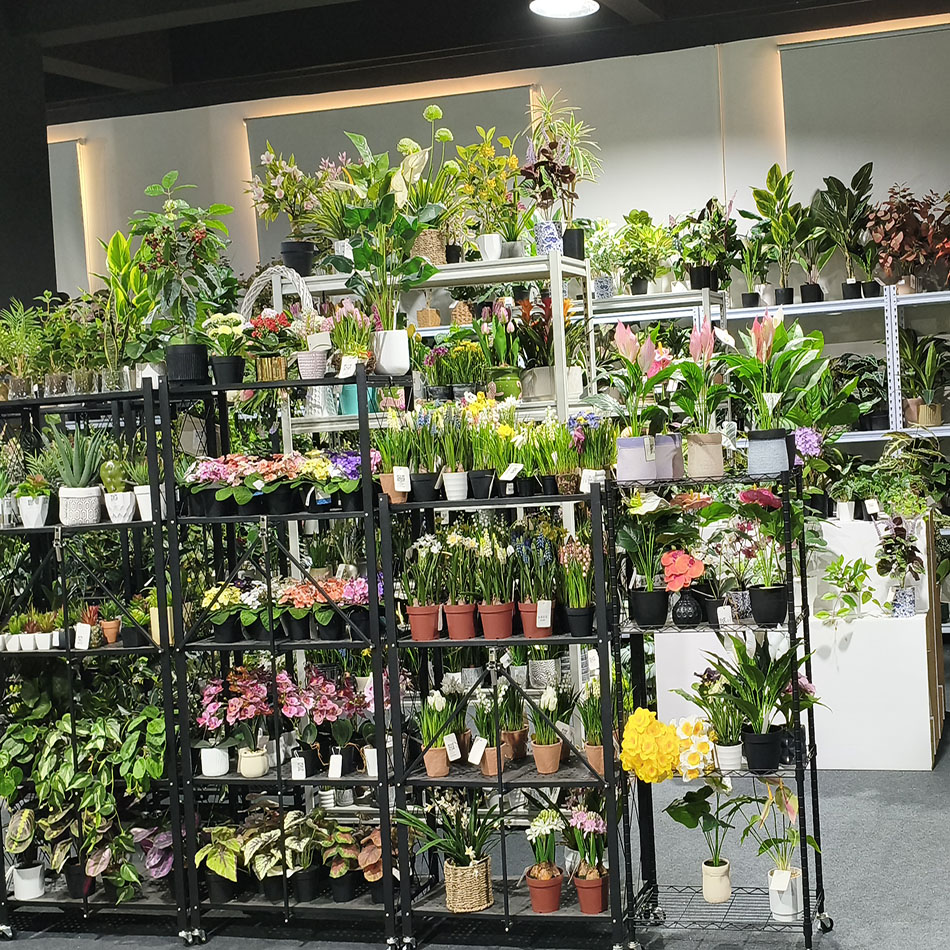
Time Flies,We are coming to Shanghai for the 58th CIFF Show!Welcome to visit our booth Booth No. 5.1D12.
Looking forward to meeting you again,face‑to‑face, showing our new artificial plants collections.
Feel free to stop by, we are ready for your discussion:+8615814261486(Wechat/WhatsApp)
Details please check our attached Invitation,thanks in advance for your coming!
Time Flies,We are coming to Shanghai for the 58th CIFF Show!Welcome to visit our booth Booth No. 5.1D12.
Looking forward to meeting you again,face‑to‑face, showing our new artificial plants collections.
Feel free to stop by, we are ready for your discussion:+8615814261486(Wechat/WhatsApp)
Details please check our attached Invitation,thanks in advance for your coming!
You are invited for the 58th CIFF ShangHai, Booth no 5.1D12